

Yo, what’s up everyone! I’m an Inner Flange Nut supplier, and today I wanna talk about the difference between Inner Flange Nuts and wing nuts. It might seem like a small topic, but trust me, these nuts play a big role in a whole bunch of industries, from automotive to construction.
First off, let’s take a look at what Inner Flange Nuts are all about. Inner Flange Nuts have a unique design feature – they come with an integrated flange on one side. This flange acts like a built - in washer. When you tighten an Inner Flange Nut onto a bolt, the flange spreads the load over a wider area. This helps prevent the nut from loosening due to vibration.
For example, in the automotive industry, where there’s constant shaking and movement, Inner Flange Nuts are super useful. They keep parts secure, whether it’s in the engine compartment or the chassis. And if you're into metal - parts fabrication, Inner Flange Nuts are a go - to choice. You can check out the Flange Plate Kit for a better idea of how they fit into different setups.
Now, let’s talk about wing nuts. Wing nuts are easy to recognize because they have two “wings” sticking out. These wings allow you to tighten or loosen the nut by hand, without the need for any tools. It’s like having a built - in handle. This makes them really convenient for applications where you need to make quick adjustments.
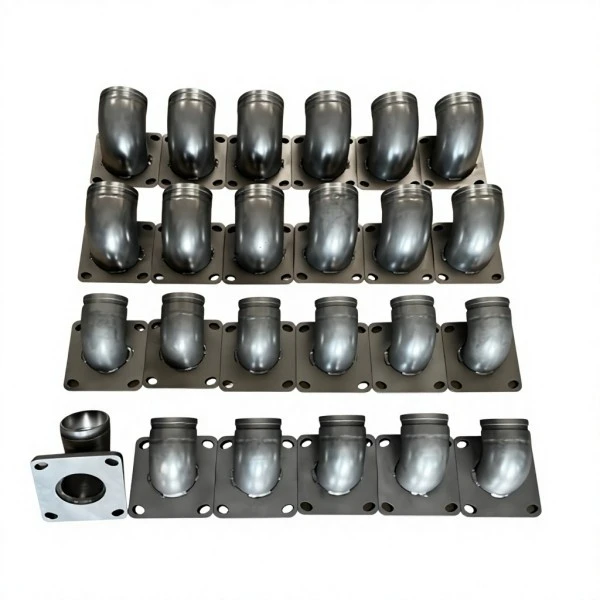

Say you’re working on a DIY project at home, like assembling a piece of furniture. You can easily use wing nuts to put the parts together and take them apart later if needed. They’re also great for applications where you need to access and adjust something frequently. For instance, in some machinery, you might need to make small adjustments to a component, and wing nuts make it a breeze.
One of the most obvious differences between Inner Flange Nuts and wing nuts is the way you install them. Inner Flange Nuts usually require a wrench or a socket to tighten properly. You can’t just tighten them by hand because you need to apply enough torque to ensure a secure connection. With wing nuts, all you need is your hands. You can tighten them as much as you can by gripping the wings and turning.
Another difference lies in their load - bearing capacity. Inner Flange Nuts are designed to handle heavy loads. Thanks to their flange design, they distribute the load evenly, which means they can withstand a lot of pressure. This makes them perfect for applications where safety and stability are crucial, such as in bridges or large - scale machinery.
On the other hand, wing nuts are not built for heavy - duty applications. Their main advantage is the ease of use. They can hold a reasonable amount of load, but they’re not going to be as strong as Inner Flange Nuts in extreme situations. For example, you wouldn’t use a wing nut to secure the main components of an airplane. That’s just asking for trouble!
In terms of material, both Inner Flange Nuts and wing nuts can be made from various materials. Common materials for Inner Flange Nuts include steel, stainless steel, and brass. Steel is strong and durable, making it a great choice for industrial applications. Stainless steel is resistant to corrosion, which is important in environments where moisture is present. Brass, on the other hand, is great for electrical applications because it’s a good conductor.
Wing nuts are also available in these materials, but they can also come in plastic. Plastic wing nuts are lightweight and inexpensive, making them suitable for non - critical applications where weight and cost are factors. For example, in some consumer products like toys or small appliances, plastic wing nuts might be used.
Let’s talk a bit more about the applications. In the automotive world, Inner Flange Nuts are used in many places. The Standard intake port provided by the manufacturer often uses Inner Flange Nuts to keep it securely attached. They ensure that there are no air leaks, which is essential for the engine to perform properly.
Wing nuts, on the other hand, might be used in less critical areas of a car. For example, you might find them on some decorative parts or on components that need to be adjusted occasionally, like the seat adjusters in some vehicles.
The Adaptive Type Ram Air Intake also benefits from the use of Inner Flange Nuts. These nuts help in maintaining the integrity of the intake system, which is important for optimizing the airflow into the engine.
In the construction industry, Inner Flange Nuts are used to secure structural components. They provide a strong and reliable connection that can last for years. Wing nuts, however, might be used in temporary structures or in areas where quick assembly and disassembly are required.
The Special - shaped Components For Automobiles can often rely on Inner Flange Nuts for proper attachment. These components are designed to fit specific functions in a car, and the secure fastening provided by Inner Flange Nuts ensures that they work as intended.
The Crimp Positioner may also use Inner Flange Nuts for accurate positioning. The nuts help in keeping the positioner in place, which is crucial for getting the right crimp on wires or other components.
So, when it comes to choosing between Inner Flange Nuts and wing nuts, you need to consider your specific needs. If you need a strong, reliable connection that can handle heavy loads and vibrations, Inner Flange Nuts are the way to go. But if you need something that’s easy to install and adjust by hand, wing nuts are a better choice.
If you're in the market for high - quality Inner Flange Nuts, I’m here to help. I’ve got a wide range of Inner Flange Nuts in different sizes, materials, and specifications. Whether you're working on a big industrial project or a small DIY job, I can provide the right nuts for you. Just reach out to me for a quote and let's start the procurement process. I'm looking forward to working with you!
References
- Machinery Handbook, Industrial Press Inc.
- Automotive Engineering Textbooks
- Construction Materials and Methods Guides