

If you’ve ever shopped around for skirt belt machines (you know, the heavy-duty gear that keeps conveyor systems running smooth in mining, construction, or industrial processing), you’ve probably noticed two big options: domestic models and imported ones. As a skirt belt machine supplier who’s been deep in this game for years, I’ve had more conversations with factory managers, plant engineers, and maintenance techs than I can count—most of them asking the same question: are imported skirt belt machines actually worth the extra cash, or is a domestic option a better pick for my budget and needs? The short answer? It’s not a one-size-fits-all call. I’ve seen folks burn out on expensive imports that were overkill for their small operation, and I’ve seen others regret going cheap on a domestic model that broke down every six months. Let’s break down the real differences, the stuff you won’t find in the generic spec sheets, and what actually matters when you’re ready to pull the trigger on new equipment.
First, let’s get one thing straight: when people talk “domestic” vs. “imported” in this space, it’s usually domestic meaning made in the same country you’re buying it (for me, that’s the US, but I know it varies globally—same logic applies for EU, Asia, etc.) and imported meaning built overseas and shipped over. The gap isn’t just where the parts are stamped, either. It starts with design philosophy, and that’s where most buyers get tripped up. Imported machines are often engineered for high-volume, continuous-use facilities—think the big coal mines or massive concrete plants that run 24/7, 365 days a year. They use ultra-heavy materials, oversize bearings, and components that are built to handle extreme, non-stop stress. Domestic models, on the other hand, tend to balance durability with flexibility; they’re made to work for a range of operations, from small warehouses to mid-sized processing plants, so they’re not as overbuilt but still tough enough for regular use.
That design difference leads to the next big one: component quality and sourcing. Imported skirt belt machines usually rely on components from well-known global brands, like certain bearings, motors, and control systems that are tested for consistent global standards. But here’s the catch: those components are often standardized for mass production, so there’s less customization. Domestic machines, meanwhile, tend to source parts locally (or from trusted regional suppliers) that are tailored to common use cases right here. For example, if you’re in a dusty mining area, a domestic machine’s seal kits might be made to handle that specific dust load, whereas an imported one might use a seal designed for cleaner factory floors. That said, not all imported parts are low-quality—some top-tier overseas factories make gear that’s actually higher-grade than domestic for certain applications. The myth that all imported is better or worse is just that: a myth.
Then there’s support, and this is the make-or-break factor for almost every plant I work with. Let’s be real: no industrial machine runs 100% problem-free forever. When something goes wrong, how fast can you get it fixed? Imported skirt belt machines, especially the ones from faraway countries, usually have long lead times for replacement parts—weeks, sometimes months. If your conveyor is down during a peak production run, that’s thousands of dollars lost every hour. Domestic machines? Most suppliers (including mine) keep spare parts in stock locally, and our techs are within driving distance if you need on-site repairs. We also do on-site training for your team—something that’s way harder to coordinate with a foreign supplier who’s working across time zones. That’s not to say imported suppliers never offer support, but it’s almost always more expensive and slower, especially for urgent issues.
Wait, but what about price? Everyone cares about price, right? Imported models usually have a higher upfront cost, not just because the machine is more heavy-duty, but because of shipping, customs fees, and import tariffs. Domestic models are cheaper up front, but don’t forget to factor in long-term costs. If an imported machine runs for 10 years without needing a major repair, that might offset the higher initial cost. But if a domestic machine needs a $2,000 part every year, that adds up. I’ve seen plants swing either way, but most of them—especially smaller to mid-sized operations—end up going domestic because the lower upfront cost and faster support make more sense for their cash flow.
Another thing to consider: customization options. A lot of people don’t talk about this, but skirt belt machines aren’t one-size-fits-all. Maybe your conveyor runs at a weird angle, or you’re working with a specific material that’s extra abrasive, or you need the machine to fit in a tight space. Domestic suppliers are way more flexible when it comes to custom builds. We can tweak the width of the skirt board, adjust the tensioning system, or add extra wear points specifically for your operation—often in a matter of weeks. Imported suppliers, on the other hand, usually build machines to a standard design, so customizations cost a fortune and take way longer, if they’re even possible. That’s been a big selling point for my team lately; we’ve built customized skirt belt machines for a grain processing plant that deals with extra sticky material and a construction company that works on steep-site conveyors, and those would’ve been impossible to get from an overseas supplier without doubling the cost.
But let’s not act like imported machines don’t have their place. For the huge, continuous-run operations I mentioned earlier—like a global mining company that has 20 conveyors running nonstop in a remote area—imported models might actually be better. They’re built for that kind of 24/7 stress, and even if parts take a while to ship, they might only need one major repair every five years, so the downtime is less frequent. Plus, some imported factories have been perfecting their design for decades, so they have a level of precision that’s hard to match for super specialized, high-demand applications. The key is knowing your own operation: how many hours a day do you run your conveyor? What kind of material are you moving? How much space do you have? What’s your budget for repairs and support?
I should also mention something that ties into the bigger picture of industrial equipment I see every day: the quality of supporting machinery. When you’re upgrading your conveyor system, you might not just be looking at the skirt belt machine—you might also be adding gear like a Rock Wool Polishing Machine to process material before it hits the conveyor, a Truss Manipulator to move heavy parts around your facility, a Rock Wool Crushing And Distributing Machine if you’re handling mineral wool materials, an Ultra-Wide Weighing Belt Conveyor to track material flow, or a High-wear-resistant Soil Crushing Roller Shaft to prep bulk material. If you’re going domestic for your skirt belt machine, you might also want to stick with domestic suppliers for these other pieces, because they’ll all work together better. When everything’s made to fit the same specs, you avoid compatibility issues, and your support team can handle all your equipment needs in one place. I’ve had customers tell me switching from a mix of imported and domestic machinery to all domestic cut their repair costs by almost 30% in the first year, because the parts and support were consistent.
Wait, let’s bust another common myth: “imported means more advanced technology.” A lot of buyers assume that because a machine is from overseas, it’s using the latest tech, like smart sensors that track wear and send alerts before a part breaks. But domestic suppliers are right there with that tech, too. We’ve started building smart skirt belt machines that monitor belt tension and wear in real time, send maintenance alerts to your phone, and even adjust themselves for different material loads. That’s not something only imported factories offer anymore. The tech gap is way smaller than it used to be, especially for standard and mid-tier models.
So, where do most people go wrong when choosing between domestic and imported? They fixate on upfront price or brand name instead of their own long-term needs. A friend of mine runs a mid-sized asphalt plant; a few years back, he bought an imported skirt belt machine because it was $5,000 cheaper? No, wait—actually, it was $2,000 more expensive. But he heard it was “more reliable.” The first month, the seal on the main bearing failed. He waited three weeks for a replacement part to ship from overseas, and that week, his plant lost almost $15,000 in production. That’s when he switched to a domestic machine from my team. We built it with dust-sealed bearings that are standard for his asphalt plant, kept spare parts at our local warehouse, and trained his crew in two days. He’s had zero major issues in three years, and he says the peace of mind is way worth the slightly lower initial cost.
Another mistake: not considering future expansion. If you’re a small operation that’s planning to double in size in the next two years, a domestic supplier will work with you to build a skirt belt machine that can be adjusted or upgraded later—adding extra sections, tweaking the power, etc. Imported machines are almost always built as a single, fixed unit, so expanding is way harder. That’s a big one for growing businesses; you don’t want to have to replace your entire skirt belt machine two years after you buy it because you outgrew it.
At the end of the day, the difference between domestic and imported skirt belt machines boils down to three core factors: your operation’s scale and needs, long-term cost vs. upfront price, and the kind of support you can count on when things go sideways. For small to mid-sized plants, warehouses, or construction companies that value local support, quick repairs, and customization, domestic is almost always the smarter pick. For large, continuous-run facilities with the budget to handle long lead times and higher upfront costs, imported might work better.
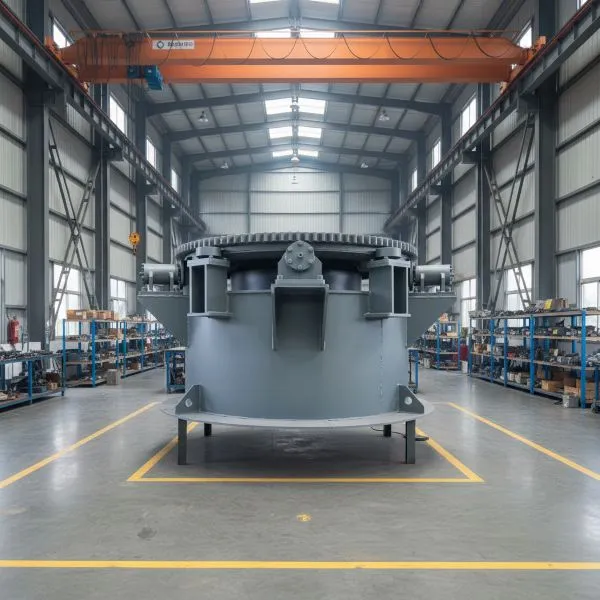

But here’s the thing: I’ve seen great domestic machines and terrible imported ones, and vice versa. It’s not the origin of the machine that matters—it’s the quality of the build, the support behind it, and whether it fits your specific job. If you’re in the market for a new skirt belt machine (or looking to upgrade your whole conveyor system, maybe with supporting gear like a Rock Wool Polishing Machine, Truss Manipulator, Rock Wool Crushing And Distributing Machine, Ultra-Wide Weighing Belt Conveyor, or High-wear-resistant Soil Crushing Roller Shaft), don’t just look at the “made in” label. Talk to suppliers, ask about lead times for parts, ask if they offer on-site training, and be honest about what you need your machine to do.
I’ve spent years working with both domestic and imported gear, and my advice to anyone shopping around is to prioritize your own operation’s needs over brand or origin. If you’re ready to discuss options, whether you’re looking for a standard skirt belt machine or a custom build that fits your specific workflow, I’m here to help. We can walk through your current setup, talk about pain points you’ve had with old equipment, and find a solution that works for your budget and your long-term goals. No pressure, no sales pitch—just honest talk about what will actually keep your conveyor system running smoothly.
References
- Industrial Conveyor Equipment Association. (2023). Domestic vs. Imported Industrial Machinery: Operational Cost Analysis. Retrieved from industry resources on industrial equipment maintenance and procurement.
- Global Mining & Materials Council. (2022). Support Requirements for Continuous Processing Equipment in Remote and Mid-Sized Facilities.
- U.S. Small Business Administration. (2023). Procurement Guide for Small Industrial Operations: Balancing Upfront Cost and Long-Term Support.