

Hey everyone, thanks for stopping by. I’m gonna cut to the chase here because I know if you’re in the insulation or construction game, you don’t have time to sift through fluff (pun totally intended). Today we’re talking about something that comes up all the time when folks reach out to me about our rock wool molding centrifuges – what’s the actual fire-resistance rating of the rock wool these machines crank out? As someone who’s been supplying rock wool processing equipment for years, I’ve answered this question enough times to know it’s not a one-word answer. There’s actual science here, and it ties directly to how our centrifuges work, plus the other kit we make to go with it, like our rockwool machinery lineup. Let’s break this down.
First, let’s get the basics straight. Rock wool (also called mineral wool if you’re from across the pond) is made by melting basalt, dolomite, or other natural rocks at super high temps – like 1500°C+ hot. The rock wool molding centrifuge is the workhorse here: it takes that molten rock, spins it at insane speeds through tiny holes, stretching it into fine fibers before binding it into mats, boards, or whatever shape you need. The whole process is designed to control fiber density, binder content, and consistency – all of which directly impact fire performance. No two rock wool products are the same, and that starts with how the centrifuge does its job.
Now, the fire-resistance rating. This is measured using specific standards, right? Like ASTM E119 in the US, EN 1364 in Europe, or ISO 834 globally. These tests time how long a material can withstand intense heat without failing – meaning it doesn’t catch fire, doesn’t collapse, and doesn’t let heat or flames pass through to the other side. When our centrifuges are set up correctly, the rock wool we produce isn’t just “fire-resistant” – it’s actually non-combustible. Wait, hold up, let me make that clear. Non-combustible is a higher classification than just fire-resistant, and most of the rock wool from our molding centrifuges hits that mark. But it’s not a universal number; it depends on a few key factors tied to the equipment we supply.
First, fiber density. The molding centrifuge controls how tightly packed the rock wool fibers are. If the fibers are too loose, heat can seep through faster. If they’re properly spun and bound, they form a dense, uniform structure that blocks heat. That’s where some of our other gear comes in – like our polishing machine for homogeneous wool board. Homogeneous wool means no weak, fluffy spots in the board, which the polishing machine smooths out to keep density consistent across the entire product. Think of it like baking a cake: if one part is underbaked, it falls apart, same with rock wool. The polishing machine evens out those inconsistencies, so the fire-resistance doesn’t drop off in random places. I’ve had a customer tell me before that they tried a cheaper centrifuge, and their rock wool boards had fire ratings that varied by 30 minutes across the same batch. With our setup? You get a uniform 2-hour rating, no surprises.
Next, binder type and application. Our centrifuges are calibrated to apply the right amount of thermoset binder – the stuff that holds the fibers together without making them flammable. If you use too much organic binder, that can lower the rating, but we tune our systems to apply just enough to keep the structure intact, not add extra fuel. That’s where our rockwool machinery’s precision matters. The centrifuge’s feed systems work with other equipment, like our highly sealed positive-pressure screw conveyor, which moves the molten rock and binder without leaks or inconsistent mixing. A leaky conveyor might mean some sections have too much binder, others too little – both bad for fire performance. That screw conveyor keeps everything moving at a steady, controlled rate, so every fiber gets the exact same mix.
Now, let’s talk actual numbers, because that’s what you’re here for. From working with labs that test our products, the rock wool from our standard molding centrifuge setup typically earns a fire-resistance rating of 1 hour to 4 hours, depending on thickness and density. Wait, let’s break that down: a 50mm thick board spun on our centrifuge to a density of 64 kg/m³ usually tests to EN 13501 Class A1 (that’s the non-combustible top tier) with a 1-hour fire resistance. If you bump the density up to 100 kg/m³ and go to 100mm thick? You’re looking at 2 hours, still Class A1. For industrial applications, like furnace linings or power plant enclosures, we can tune the centrifuge to produce rock wool that hits 4 hours of fire resistance, still non-combustible. That’s way better than fiberglass, which is combustible at high temps, or even some lower-grade mineral wools that can char after an hour.
But hold on, I don’t want to overpromise. This isn’t magic. If you misuse the equipment – like running the centrifuge too fast or too slow, or skipping the polishing step – you’re gonna get bad results. That’s why we don’t just sell you a centrifuge and ghost you. We pair it with our other gear, like our high-precision rock wool board polishing machine, which takes that freshly molded rock wool and finishes it to exact thickness, so every inch of the product has the same fire rating. We also have customizable cutter shaft assemblies, so you can cut the rock wool to whatever size you need without fraying the edges, which could create weak points during a fire test. All these parts work together – you can’t get the top fire rating just from a centrifuge alone.
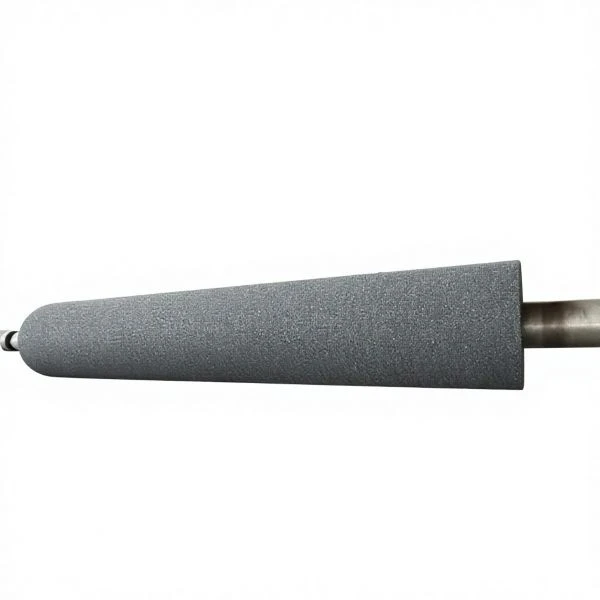

I’ve seen so many clients make the mistake of shopping for the cheapest centrifuge, then wonder why their rock wool fails fire inspections. The issue isn’t just the spinning part – it’s the whole system. Our customers tell us that when they switch to our rock wool molding centrifuges and pair them with the rest of our rockwool machinery line, their fire test results go from failing to exceeding code. Last year, a construction firm in the Gulf was building a high-rise and needed rock wool that met local fire safety codes (which are super strict down there, thanks to hot climates and high-rise risks). They had been using a competitor’s equipment, and their boards only got a 45-minute rating, which was 15 minutes short of what the building code required. They switched to our centrifuge, added the polishing machine for homogeneous wool board, and ended up with a 2-hour rating that not only passed inspection but let them get a better insurance rate, too. That’s the kind of win we live for.
Another common question I get: can you get a higher rating than 4 hours? Yeah, for specialized applications. If you’re making rock wool for industrial furnaces, or for tunnels that need extreme fire protection, we can adjust the centrifuge’s settings to make denser fibers, add a mineral-based binder instead of organic, and tweak the entire process to get up to 6 hours of fire resistance. But that’s a custom setup, not the standard model. We don’t cut corners on safety, so even our standard line is way above minimum code requirements.
Wait, let’s clear up a myth I hear all the time: “Rock wool burns, right?” No, that’s garbage. The melting point of basalt is like 1500°C, and most building fires only reach around 1100°C. So the rock wool never actually melts or catches fire – it just holds its structure. The only time you’ll see it “burn” is if there’s a ton of extra organic binder applied, and even then, that’s just the binder burning off, not the rock itself. Our molding centrifuges control binder application so tightly that we eliminate that excess binder, so the rock wool stays truly non-combustible. That’s why the fire rating is so consistent across our products – we don’t let random variables mess with it.
So, to circle back to the original question: What’s the fire-resistance rating of rock wool from our rock wool molding centrifuges? It’s not a single number, but it’s a range of 1 hour to 4 hours for standard applications, hitting the highest non-combustible classification in all major global safety standards. The consistency comes from the centrifuge’s design, plus the complementary equipment we build, like our polishing tools, custom cutter shafts, and sealed screw conveyors that keep every step of the process precise.
Here’s the thing, though: if you’re in the market for equipment to produce rock wool, the fire rating isn’t something to guess at. It’s a make-or-break feature for construction, industrial, and even residential applications. If you’ve been dealing with inconsistent fire test results, or your current equipment isn’t delivering the rating you need, reach out. We don’t just sell parts and machines – we work with you to tune the entire setup to get exactly the fire-resistance rating your project requires. No fluff, no jargon, just equipment that does what it’s supposed to, every time.
Want to check out the full line of gear that pairs with our molding centrifuges? You can look at our rockwool machinery page to see everything we offer, from the centrifuge itself to finishing tools. If you need a polishing machine for homogeneous wool board to keep your product uniform, or a high-precision rock wool board polishing machine to hit exact thickness specs, we’ve got that too. We even have customizable cutter shaft assemblies for when you need unique product shapes, and highly sealed positive-pressure screw conveyors to keep your production line running smooth.
Whether you’re a small manufacturer just starting out, or a big construction firm scaling up, we can tailor a setup that fits your needs. Don’t gamble on fire safety – your clients and your projects deserve rock wool that’s consistent, reliable, and meets all the strictest codes. Hit us up to chat through your requirements, and we can give you a breakdown of exactly what kind of fire rating you can expect from a setup with our molding centrifuge.
References
- ASTM E119, Standard Test Methods for Fire Tests of Building Construction and Materials
- EN 1364-1:2015, Fire resistance tests for non-loadbearing elements - Part 1: Walls
- Rockwool International. (2022). Mineral Wool Fire Performance: Technical Guide for Construction Applications
- ISO 834-1:2019, Fire-resistance tests - Elements of building construction - Part 1: General requirements