

Hey there! As a supplier specializing in Production Line Modification, I've seen firsthand how a well - executed production line revamp can significantly boost production capacity. In this blog, I'm gonna share some practical tips and insights on how you can increase your production capacity through production line modification.
Assessing the Current Production Line
Before diving into any modifications, it's crucial to have a clear understanding of your existing production line. This involves a detailed audit of all the processes, equipment, and workflows. Look at the bottlenecks in the line, which are the steps or machines that slow down the overall production. For example, if there's a particular machine that frequently breaks down or has a long processing time, it's a bottleneck.
You also need to evaluate the efficiency of each piece of equipment. Are there any outdated machines that are consuming too much energy and taking too long to perform their tasks? This assessment will help you to pinpoint the areas that need improvement. You can collect data on production speed, downtime, and quality control over a certain period to get a comprehensive picture of the line's performance.
Upgrading Equipment
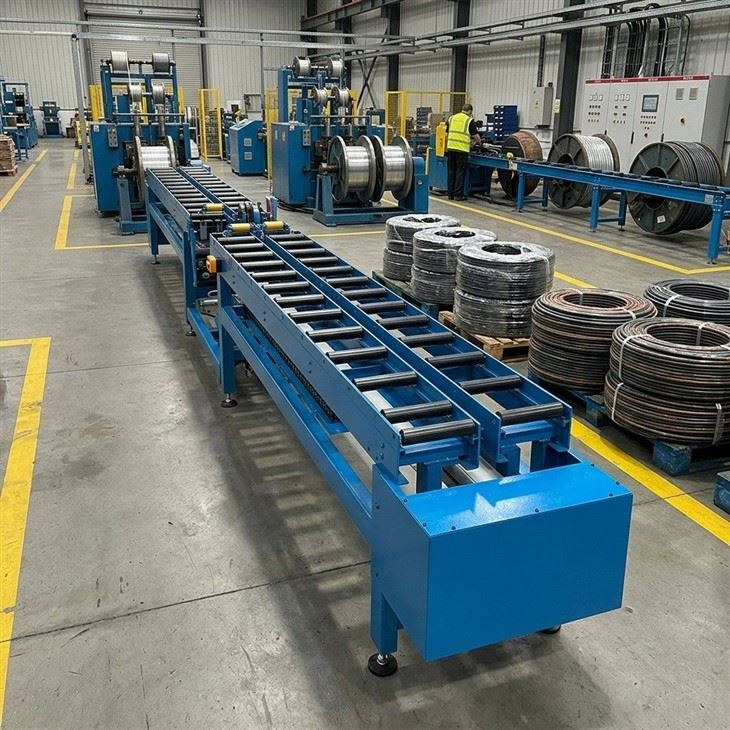
One of the most effective ways to increase production capacity is by upgrading your equipment. For instance, consider the High - efficiency Automatic Winding Device. This device can automate the winding process, reduce human error, and increase the speed of production. If your line currently uses manual winding methods, swapping to this high - tech device can lead to a substantial increase in capacity.
Another great option is the Tension - adjustable Winding Device. It allows for better control of the winding process, ensuring consistent quality while also speeding up the operation. With the ability to adjust tension according to the requirements of different materials, it can handle a wider range of production tasks.
The Multi - layer Winding Device is also worth considering. It can wind multiple layers simultaneously, which is a huge time - saver. This kind of device is especially useful if your production process involves creating products with multiple layers, such as in the packaging or textile industries.
Optimizing the Layout
The layout of your production line can have a big impact on its capacity. If the flow of materials and products is inefficient, it can cause delays and slow down the entire process. You can re - arrange the equipment to create a more logical and streamlined layout. For example, ensure that the raw materials are delivered close to the starting point of the production process, and that the finished products can be easily transported away from the end of the line.
Grouping similar machines together can also improve efficiency. This allows workers to move between tasks more quickly and reduces the time spent on searching for tools or equipment. Moreover, you can create buffer zones between different stages of production to prevent bottlenecks. These buffer zones can store semi - finished products temporarily, allowing the line to keep running smoothly even if there are minor disruptions at a particular stage.
Implementing Automation
Automation is a game - changer in the world of production. It can perform tasks with high precision and speed, 24/7 without getting tired. You can start by automating repetitive tasks, such as material handling, sorting, and packaging. With the help of robots and conveyor systems, these tasks can be completed much faster than by human workers.
For example, in a Gypsum Calcining Production Line, automation can control the temperature, pressure, and flow rate more accurately, leading to a higher - quality product and increased production capacity. Automated systems can also detect and correct errors in real - time, reducing the amount of waste and rework.
Staff Training and Involvement
Your employees are an important part of the production process. Even with the best - modified production line, if the staff doesn't know how to operate and maintain the new equipment and processes, the production capacity may not see the expected increase. So, provide comprehensive training to your workers on the new technologies and workflows.
In addition, involve your employees in the production line modification process. They often have valuable insights and suggestions based on their daily experience on the production floor. Encouraging their participation can boost morale and lead to a smoother implementation of the modifications.
Continuous Monitoring and Improvement
After the production line modification, the work doesn't stop there. You need to continuously monitor the performance of the new line. Track key performance indicators (KPIs) such as production speed, quality rate, and downtime. Regularly analyze this data to identify any new bottlenecks or areas that need further improvement.
Based on the monitoring results, you can make small adjustments to the line over time. This could involve fine - tuning the settings of the equipment, changing the workflow slightly, or upgrading some components as technology advances.
Conclusion
Increasing production capacity through production line modification is a multi - faceted process. It requires a thorough assessment of the current situation, upgrading of equipment, optimization of the layout, implementation of automation, staff training, and continuous monitoring. As a Production Line Modification supplier, I'm here to help you every step of the way.
If you're interested in exploring how production line modification can benefit your business and want to increase your production capacity, don't hesitate to reach out for a detailed consultation. Let's work together to take your production to the next level!

References
- Smith, J. (2020). The Basics of Production Line Optimization. Industry Insights Journal.
- Johnson, M. (2021). The Impact of Automation on Production Capacity. Manufacturing Today Magazine.